

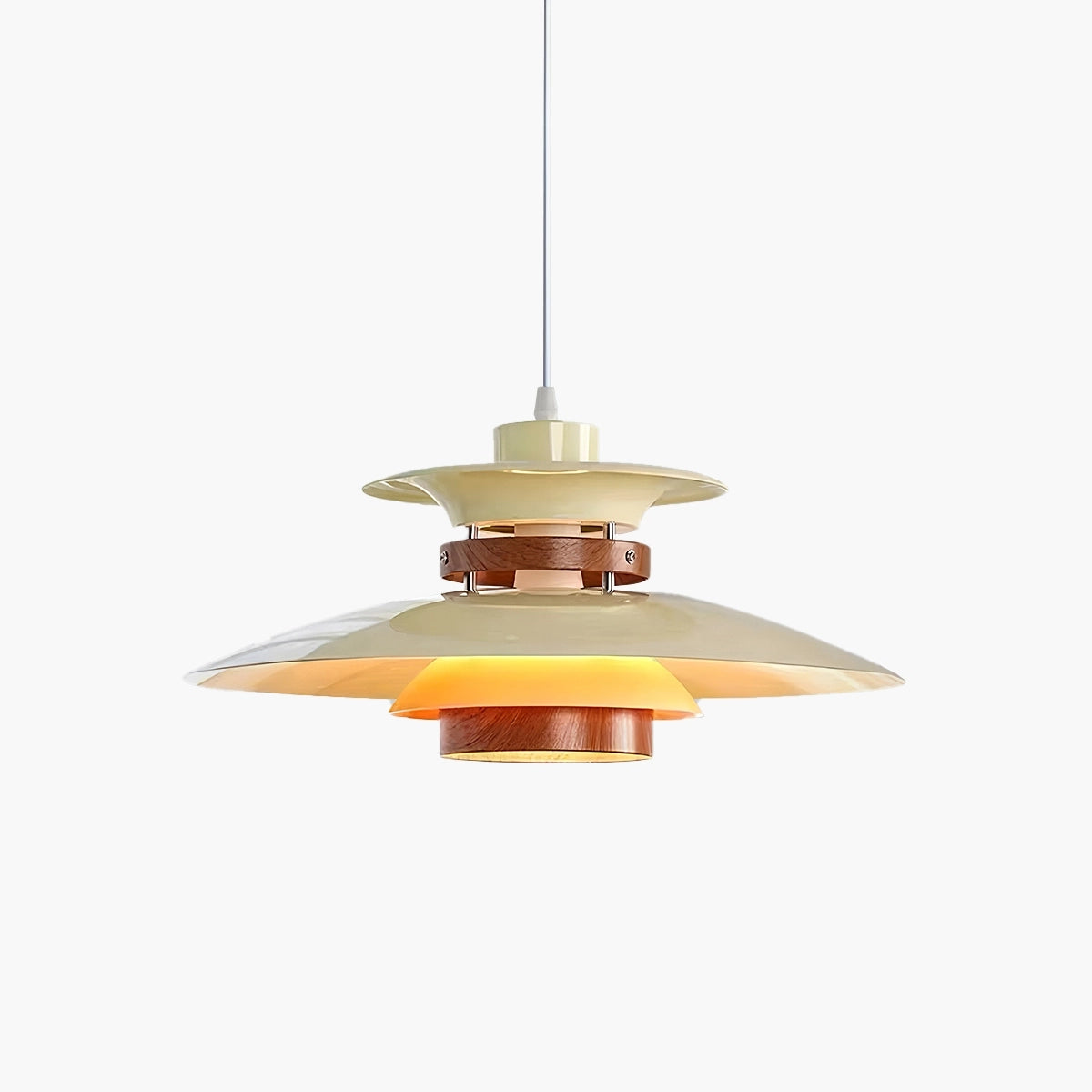

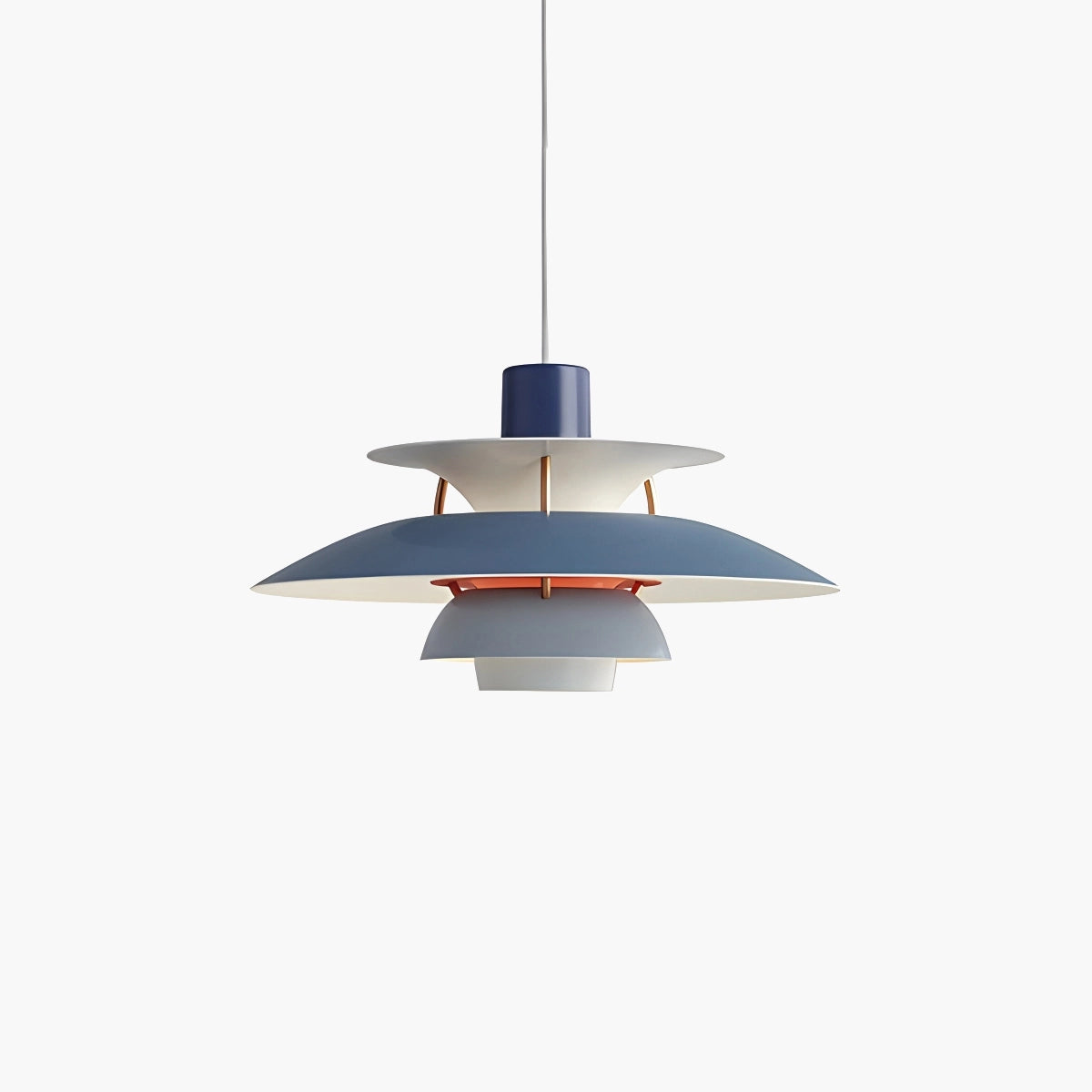
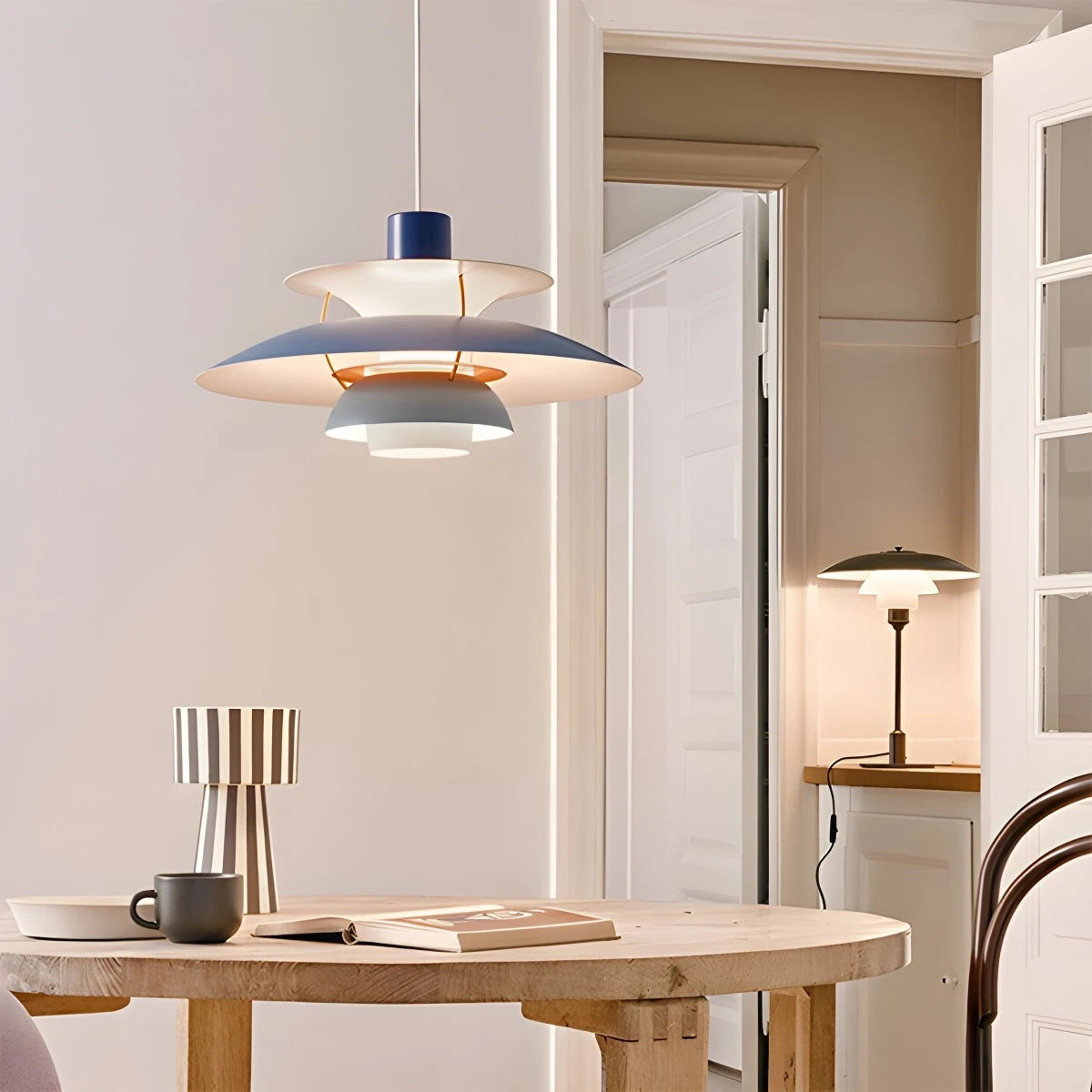
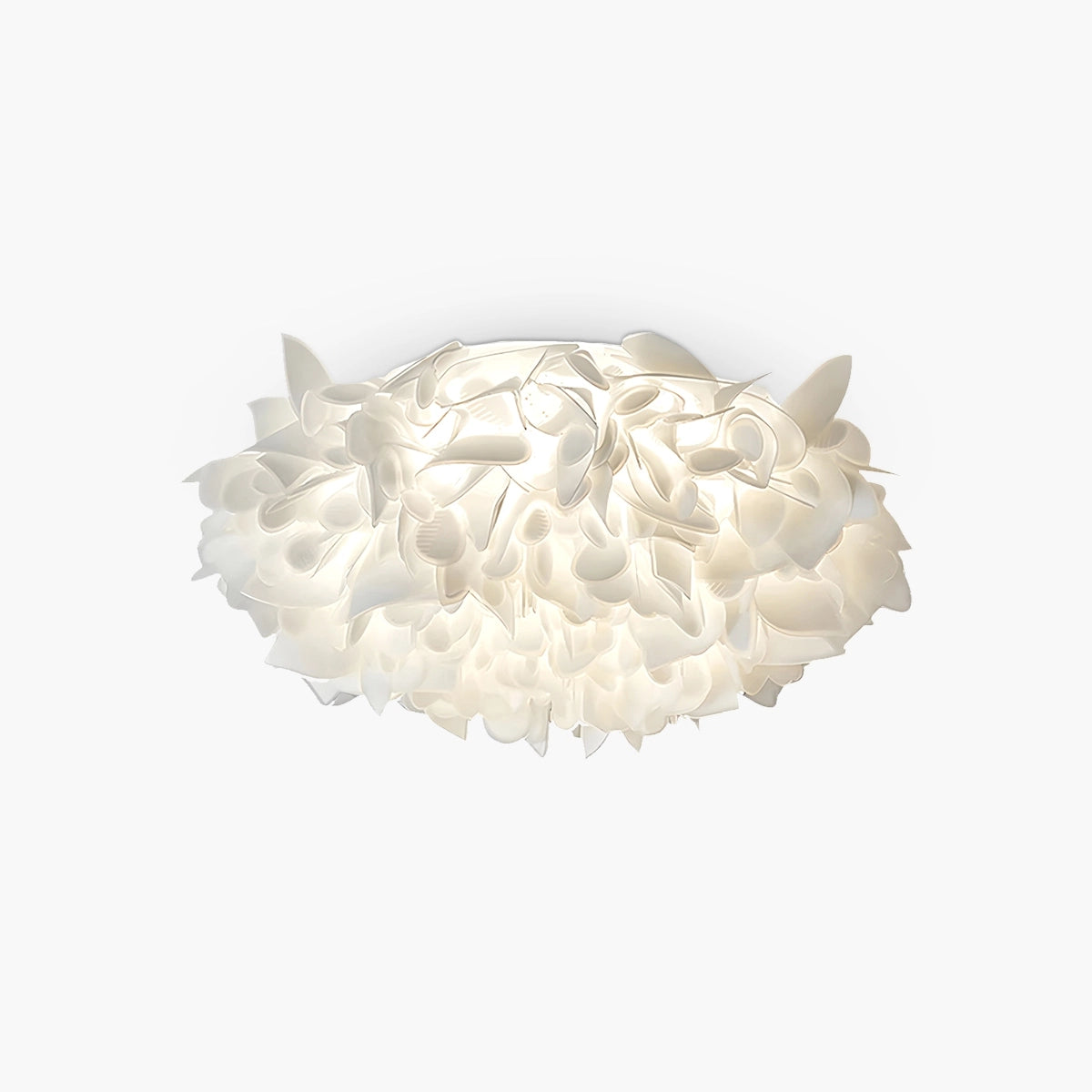

You ever stare up at your ceiling and think, “This room’s got all the charm of a dentist’s office”? Yeah—same. Learning how to hang a pendant light isn’t just about wires and screws—it’s about upgrading that sad overhead situation into something that actually sparks joy (and not just when guests pretend to compliment it).
Truth is, most folks get stuck before they even buy one. Too many sizes, too many styles, and don’t even start on wiring fears. But as Antizer’s lead design engineer Claire Monroe put it in her 2024 lighting trends report: “The right pendant doesn’t just light your space—it defines it.”
So whether you’re styling a cozy breakfast nook or trying not to electrocute yourself over the kitchen island, we’ve got your back—with clear steps, zero fluff, and maybe a few laughs along the way.

Choosing the Right Pendant Light for Your Space
Finding the perfect pendant light isn’t just about looks—it’s about vibe, size, material, and where it hangs.

Styles to Consider: Modern, Industrial, and Glass Pendant Lights
You’ve got styles galore when picking out a pendant light—each one bringing its own flavor.
• Modern pendants go sleek with clean lines and minimal fuss. Great for open-concept spaces or city apartments.
• Industrial lights bring that raw charm—think exposed bulbs and aged metal, usually found hanging over kitchen islands or lofts.
• Glass pendants are all about elegance—clear or frosted finishes let them blend into any room without overpowering it.
Whether you’re going for a cozy farmhouse feel or something more contemporary, these styles help anchor your space.
The Perfect Fit: Selecting Size and Scale for Your Pendant Lighting
Getting the right fit isn’t just eyeballing—it’s math meets mood.
- Measure your table or island’s width; divide by two—that’s your ideal pendant diameter in inches.
- Keep at least 30 inches between the bottom of the fixture and your surface if it's over a table or counter—perfect height matters!
- For rooms with high ceilings, go bigger—scale up both size and drop length for visual balance.
The trick? Let proportions guide you so it doesn’t look like you hung a spotlight on accident.
Color Matters: Choosing Between Black, White, and Gold Pendant Lights
Color sets the tone—and sometimes steals the show.
- Black finishes are bold but timeless; they add contrast without clashing with most color schemes.
- A crisp white pendant blends seamlessly into minimalist interiors while keeping things bright and airy.
- Want drama? Go for warm-toned gold, especially brushed ones—they ooze luxury but stay grounded when paired with neutrals.
Mixing colors? Totally fine—as long as they sit within your existing color palette or echo other accents nearby like handles or wall art.
Material Selection: Metal, Wood, and Crystal Pendant Lights Explained
| Material Type | Look & Feel | Durability Score (/10) | Best Room Match |
|---|---|---|---|
| Metal | Sleek & industrial | 9 | Kitchen / Entryway |
| Wood | Warm & rustic | 7 | Dining Room / Den |
| Crystal | Elegant & reflective | 6 | Living Room / Hallway |
Each material shapes how light behaves in a room—and how people feel under it. Want sharp shadows? Go heavy on opaque materials like brushed steel (metal) fixtures. Prefer soft glows? Try wood shades with warm bulbs or dazzling crystals that scatter sparkle across walls.
Choosing what feels right isn’t just about taste—it’s also about how you want people to experience that space every day when they walk under it.
How to Hang a Pendant Light Properly Without Messing It Up
Short answers to real-life questions:
– How high should I hang it? Around eye level if it's over an island; higher if it's in an open area like an entryway.
– Can I hang more than one? Absolutely—but space them evenly! About two feet apart is golden.
– What if my ceiling is sloped? Adjustable cords save lives here—go flexible instead of rigid rods.
If you're wondering how to hang a pendant light without making it crooked or awkwardly low, here's the scoop: measure twice, drill once—and always use anchors if you're not hitting studs!
And yes—you’ll need wire nuts and some patience too.
Matching Style With Functionality When Hanging Pendant Lights
Let form meet function by asking yourself:
• Is this light meant to glow up dinner conversations—or just fill space above the sink?
• Does its shape cast focused beams downwards—or spread ambient lighting across walls?
• Will guests bump their heads on it during parties?
Pairing style with purpose helps avoid those “this looked better online” regrets later on when figuring out how to hang a pendant light that actually works where you need it most.
From oversized kitchen pendants to mini accent lights near reading nooks—the right pick balances beauty with brains every time!
4 Steps to Safely Hang a Pendant Light
Installing pendant lights can feel like a big job, but with some prep and know-how, it’s totally doable. Here's how to hang a pendant light without breaking a sweat.

Prepping Your Space: Tools Needed for the Installation
Before you even touch that light fixture, make sure your toolkit is solid. You don’t want to be halfway up the ladder only to realize you’re missing something.
- Ladder – A sturdy one that gives you just enough height without overreaching.
- Screwdriver – Both flathead and Phillips; you'll likely need both.
- Wire strippers – To cleanly expose copper wire ends.
- Voltage tester – Non-negotiable if you're working near live wires.
- Pliers – Needle-nose work best when dealing with tight junction boxes.
- Electrical tape – For securing wire nuts and insulating connections.
- Safety glasses – Because falling drywall dust is no joke.
Having these tools on hand makes learning how to hang a pendant light way less frustrating—and way safer.
Step 1: Identifying the Right Height for Kitchen Island Pendants
Getting the height right isn’t just about looks—it’s about function too. You don’t want your guests ducking under lights while sipping wine at your island.
| Ceiling Height (ft) | Recommended Pendant Drop (in) | Suggested Clearance Above Counter (in) | Ideal Light Spacing (in) |
|---|---|---|---|
| 8 | 24–30 | 30–36 | 24–30 |
| 9 | 30–36 | 30–36 | 28–32 |
| 10 | 36–42 | 32–38 | 30–34 |
| Vaulted | Varies | Maintain ~36 clearance | Adjust per slope |
Measure from the floor up to your ceiling, then subtract down based on your island height and desired pendant height above the surface—usually around eye level when standing. Keep at least two feet between each fixture for balanced lighting and avoid overcrowding above smaller islands.
Knowing how to hang a pendant light means understanding how it fits into your room's proportions—from ceiling height to countertop spacing—it all adds up visually.
Step 2: Ensuring Support: Using UL Listed Pendant Lights
You wouldn’t hang a heavy mirror without wall anchors, right? Same logic applies here—your light needs proper backing, especially if it's hefty or glass-heavy.
• Always install into an electrical junction box, not drywall alone—it should be rated for ceiling use.
• Choose fixtures with official UL certification, which ensures they meet strict safety standards in North America. • Use a compatible metal or plastic mounting bracket, secured tightly into ceiling joists or cross braces. • Double-check that the setup supports your fixture’s full weight—including any decorative shades—with attention to listed weight capacity limits. • Follow local residential wiring rules; most align with National Electrical Code (building codes) requirements.
As noted in Electrical Safety Foundation International’s April 2024 report, “Over half of household electrical fires originate from improperly installed lighting fixtures.” That stat alone should convince anyone why certified parts matter when figuring out how to hang a pendant light safely.
Choosing UL-listed options isn’t just about ticking boxes—it’s about peace of mind every time you flip that switch.
Tips On Wiring Your Pendant Light Properly
Installing pendant lights can be fun—if you know what you're doing. Let’s break down the basics and safety checks to keep your lighting both stylish and secure.

Understanding the Basics: LED vs. Incandescent Pendant Lights
Picking between LED and incandescent bulbs isn’t just about brightness—it’s about how much heat, energy, and money you’re willing to burn through.
-
Energy Consumption & Efficiency
- LED bulbs use up to 80% less power than incandescent ones.
- Lower wattage, same or better light output? That’s an easy win for LEDs.
-
Lifespan
- Expect around 25,000 hours with LEDs versus roughly 1,000 for incandescent.
- That means fewer trips up the ladder changing bulbs.
-
Light Quality
- Incandescents give off that warm glow people love.
- LEDs? They’ve come a long way—now available in everything from soft white to daylight tones.
-
💡 Pro tip: Match your bulb type to your room vibe. Kitchen pendants often benefit from brighter, cooler light; dining areas might call for something warmer.
According to a recent report by IEA (2024), global adoption of LED lighting has surpassed 65%, driven by its unmatched efficiency in residential applications like pendant fixtures.
When learning how to hang a pendant light, knowing your bulb options helps avoid future rewiring headaches—and keeps your electric bill happy too.
Final Check: Ensuring Safety with Energy-Efficient Pendants
Before flipping that switch, double-check these wiring essentials—your safety depends on it when figuring out how to hang a pendant light securely:
-
🔌 Wiring Accuracy
- Make sure hot, neutral, and ground wires are properly connected.
- Use wire nuts and wrap connections with electrical tape if needed.
-
⚡️ Circuit Load
- Don’t overload! Add up total wattage on the circuit before installing new fixtures.
| Circuit Type | Max Load (Watts) | Typical Fixtures Allowed | Common Rooms |
|---|---|---|---|
| 15 Amp | ~1800 W | Up to 12 LED pendants | Bedrooms |
| 20 Amp | ~2400 W | Up to 16 LED pendants | Kitchens |
-
🛠️ Grounding & Insulation
- Always connect the green or bare copper wire to grounding screws or wires in metal boxes.
-
🧯 Code Compliance
- Local electrical codes vary—check them before you start cutting drywall or drilling holes.
-
🧰 Installation Tip
- Use insulated tools and shut off power at the breaker box before any work begins.
A little caution goes a long way when you're learning how to hang a pendant light safely—and making sure it's energy-efficient keeps things cool in more ways than one.
FAQs about How to Hang a Pendant Light
1. How to hang a pendant light over your kitchen island securely and stylishly?
Hanging kitchen island pendants is part design poetry, part practicality.
-
Keep 30–36 inches between the countertop and pendant base for convenient headroom.
-
Space multiple lights evenly—24–30 inches apart feels visually balanced.
-
Choose adjustable or UL listed pendant lights in metal or glass finishes so installation stays safe and contemporary.
2. What kind of style creates harmony when learning how to hang a pendant light in modern interiors?
Modern spaces call for sleek lines that breathe calm sophistication:
| Style Type | Key Feel | Best Room |
|---|---|---|
| Modern pendant lights | Clean & minimal | Living room pendants |
| Industrial pendant lights | Raw metal texture | Kitchen pendant lighting |
| Glass pendant lights | Transparent elegance | Dining room pendants |
Small details like black or gold finishes set vivid contrasts; their glow tells stories across polished countertops.
3. How do you select size correctly when discovering how to hang a pendant light above dining tables?
It’s all about proportion—creating rhythm between fixture width and table length:
1️⃣ Large or oversized pendants bring grandeur over long tables.
2️⃣ Two medium-sized fixtures together feel intimate yet steady for cozy dinners.
3️⃣ A mini pendant light keeps small nooks graceful without overpowering them.
End each choice with balance—the eye falls naturally where symmetry resides.
4. Which materials last longest while keeping visual warmth alive?
The character lies within textures: hammered surfaces, timber grains, crystal reflections—all whisper longevity differently.
-
Metal pendant lighting: Strength built into every curve, dependable through years of use.
-
Wood and concrete pendants: Organic depth turning modern rooms earthy.
-
Crystal accent pieces: Sparkle merged with durability—each shimmer crafted by tradition.
Quiet resilience often hides beneath beautiful detail.
5. What bulb type makes “how to hang a pendant light” both functional and expressive?
Light is emotion disguised as technology—a warm halo can define the soul of your space.
★ Choose LED pendant lights for energy-efficient permanence; they adapt well with dimmable control systems.
★ Incandescent bulbs radiate nostalgia—perfect under handmade fabric shades in bedrooms or living areas.
★ Smart options offer playful flexibility, letting brightness rise softly before dinner or fade gently after conversation concludes.
Every glow becomes part of your evening’s rhythm—a story told from ceiling downward through shifting hues of home comfort.


