

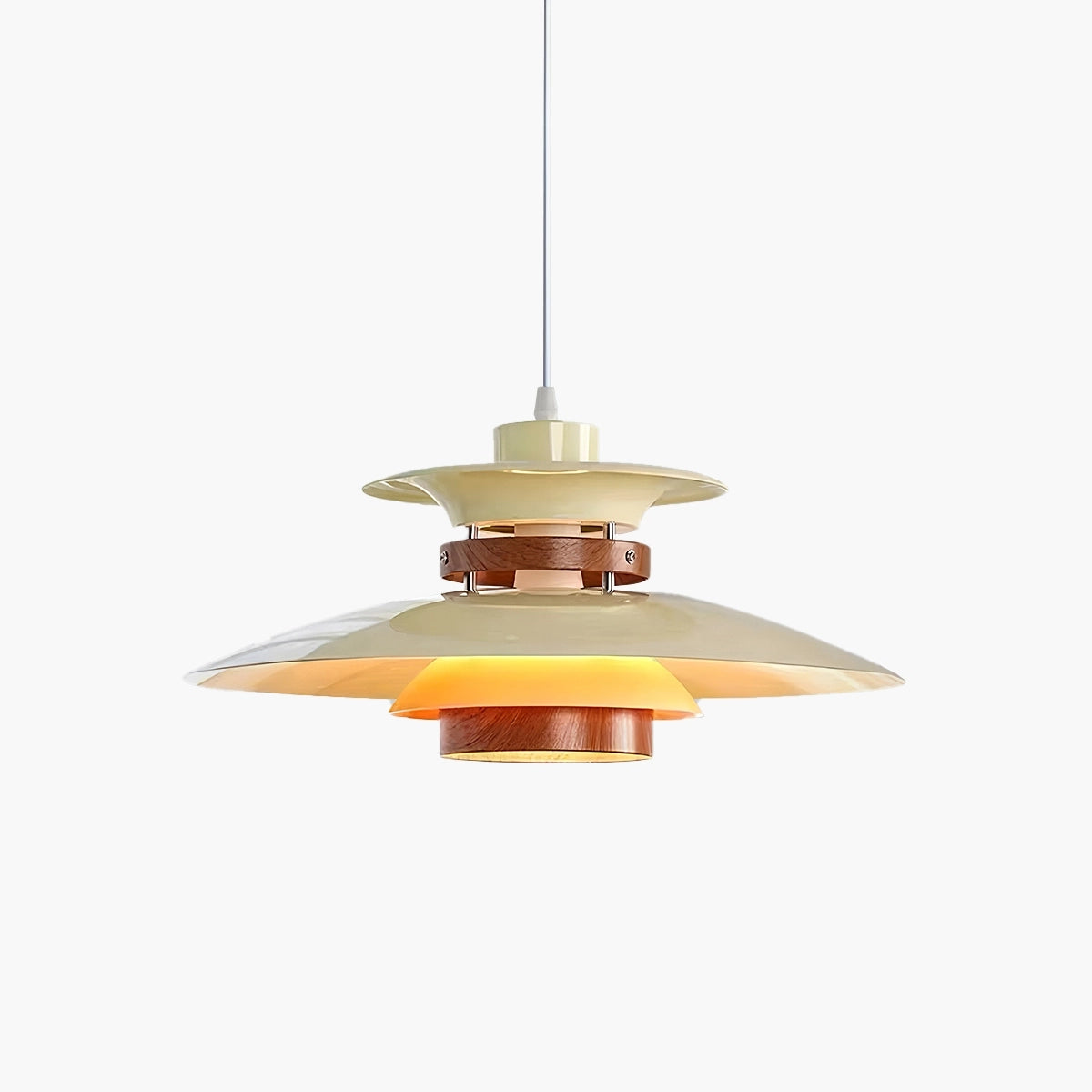

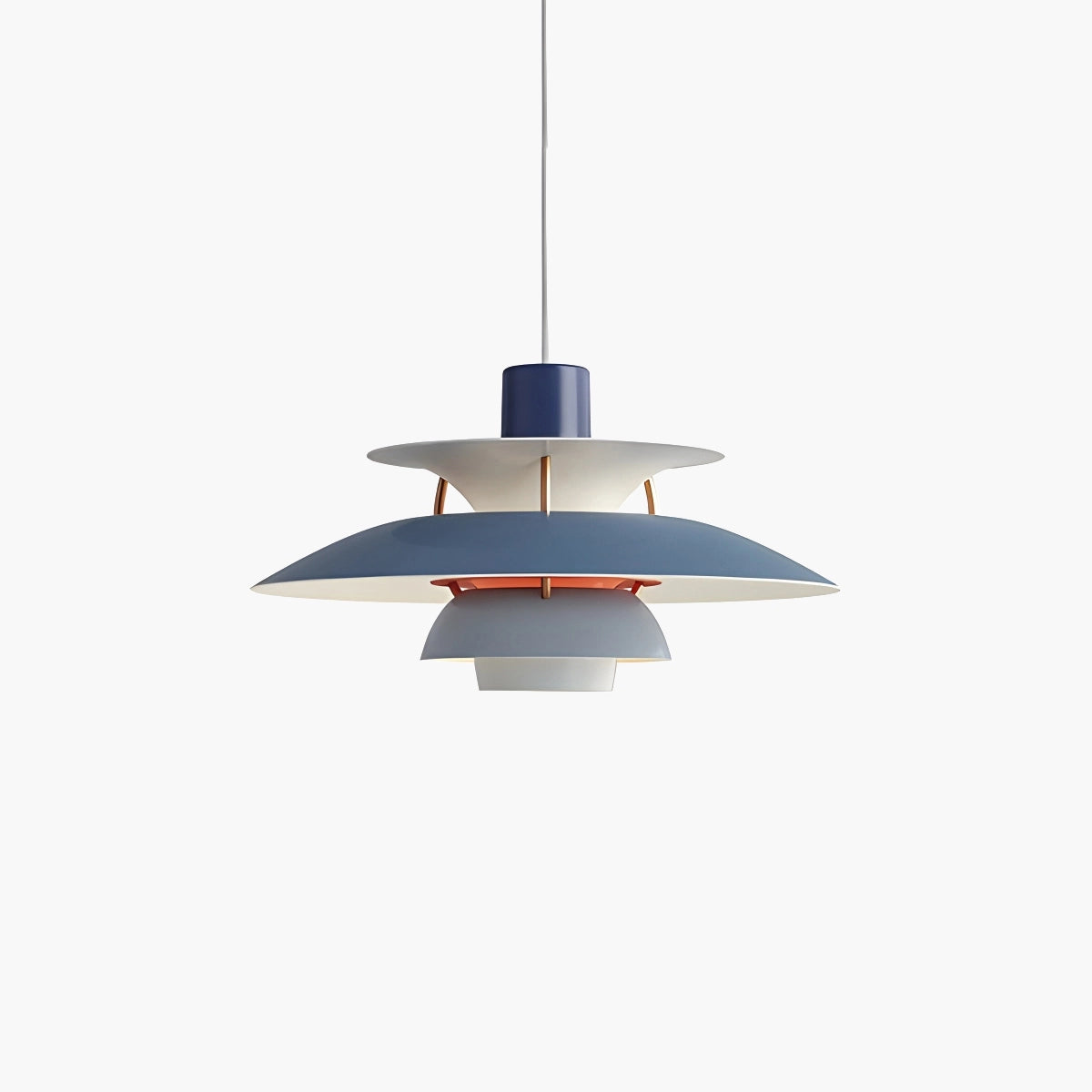
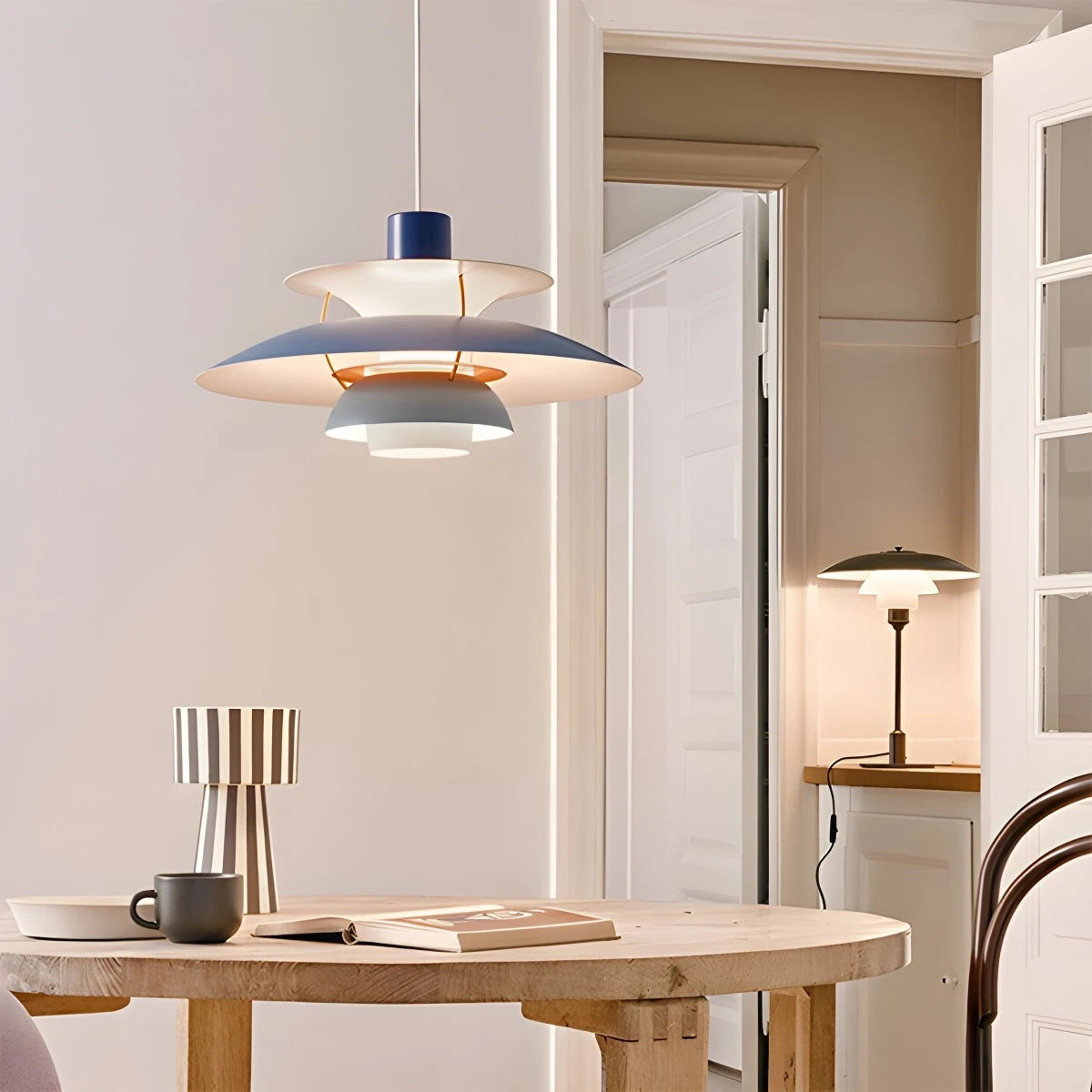
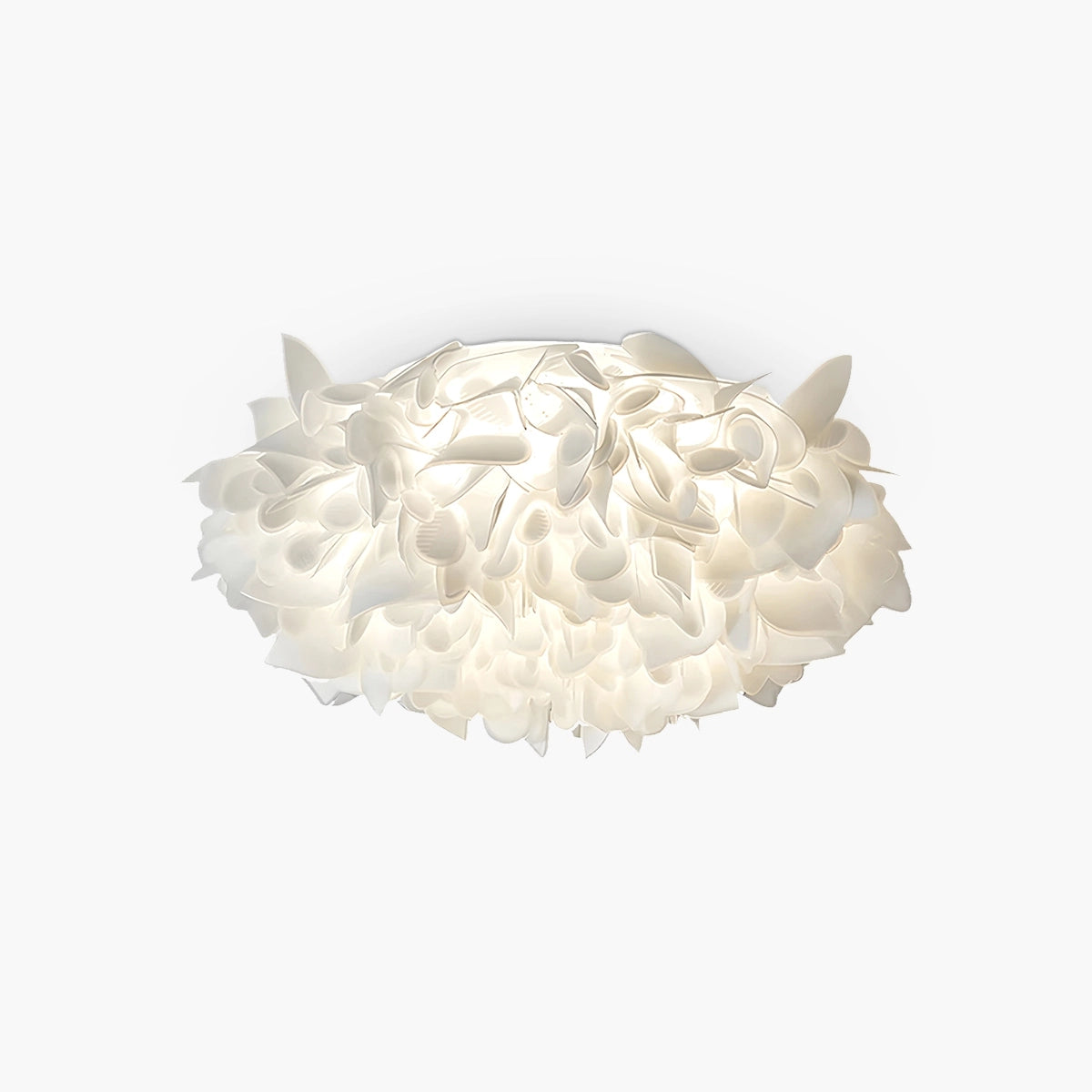

You ever walk into a room and feel like something’s missing—even if everything’s technically there? That’s the vibe when your dining space is rocking a great table, comfy chairs, maybe even fresh paint… but no chandelier. Chandeliers for dining room spaces aren’t just light fixtures—they’re the exclamation point at the end of your home’s style statement.
Picking one out, though? Whew. It can feel like speed dating with strangers who only speak in wattage. Too bright, too bulky, too “what was I thinking?” You're stuck scrolling through hundreds of designs wondering if you’re looking for drama or dinner-party calm—or both.
Style meets function here—we’re talking proportions that make sense, lighting that flatters your fettuccine alfredo (yes, that matters), and pieces that say “I’ve got taste” without screaming it from the ceiling. Ready to find something unforgettable? Pull up a chair—we're flipping the switch on ordinary.

Essential Insights for Selecting Chandeliers for Dining Room Spaces
→ Chandelier Size: Finding the right chandelier size is crucial—smaller rooms require compact fixtures, while larger spaces benefit from grander options.
→ Material Choice: Consider the difference in materials; metal chandeliers offer durability, while glass options provide elegance and softness in lighting.
→ Dimmable Lighting: Opt for dimmable chandeliers to adjust lighting intensity, creating the perfect ambiance for cozy dinners or lively gatherings.
→ Style Preferences: Identify your style—modern chandeliers bring sleek designs, while vintage pieces exude charm and character, impacting the overall dining room vibe.
→ Budget Constraints: Quality doesn’t always mean high cost; explore affordable and discount chandeliers that offer style and functionality without exceeding your budget.
→ Layering Light: Combine chandeliers with other light sources for a balanced lighting scheme that enhances both functionality and aesthetic appeal in your dining area.
→ Common Pitfalls: Avoid choosing a chandelier that clashes with your room size and neglecting energy-efficient options that contribute to both savings and sustainability.
3 Essential Features of Chandeliers for Dining Room
Choosing the right chandelier can totally change how your dining space feels—let’s break down what really matters.

The Importance of Size: Finding the Right Fit
• A chandelier that’s too big swallows the room; too small and it disappears. You want that sweet spot.
• Measure your room size, then match it with the correct fixture diameter—a common rule is adding length + width of the room in feet, then converting that number into inches for chandelier width.
• For round or square tables, center the fixture and keep a hanging distance of about 30–36 inches above the tabletop for visual harmony.
• If your ceilings are high, consider vertical proportions too—ceiling height influences how long your chandelier should hang so it doesn’t feel lost up top or awkwardly low.
• Think about table dimensions, too—a good rule? Your light should be about one-half to two-thirds the width of your table.
Material Matters: Metal vs. Glass Chandeliers
Grouped comparison works best here:
■ Metal Chandeliers
- Strong build, ideal for modern or industrial looks.
- Often finished in matte black, brass, or brushed nickel.
- Great when you want a bold silhouette without being flashy.
- Pairs well with rustic wood tables and darker decor themes.
■ Glass Chandeliers
- Offer a lighter visual weight—great for smaller rooms.
- Reflect ambient light beautifully through clear or frosted finishes.
- Work wonders if you’re chasing elegance without heaviness.
- Blend seamlessly into both vintage and contemporary spaces depending on design accents.
No matter which way you lean, always check how each material interacts with natural light during different times of day—it makes a big difference in tone and mood.
Light Quality: Why Choose Dimmable Chandeliers?
Short punchy points work well here:
– Brightness isn’t one-size-fits-all; dimmable options let you shift from dinner-party glow to weekday breakfast shine effortlessly.
– Adjustable lighting means better control over mood—and energy use. You’re not blasting full wattage when soft ambiance will do.
– “In our recent study on residential lighting preferences,” says Interior Trends Report Q2 2024 by Houzz Research Group, “over 60% of homeowners ranked dimmability as their top priority when buying chandeliers.” That’s saying something.
– Match bulb type with fixture compatibility—LEDs often work best and offer better lifespan plus lower heat output compared to traditional incandescents.
Make sure you're checking lumens instead of just watts nowadays—it tells you actual brightness delivered rather than energy consumed.
Style Showcase: Modern vs. Vintage Chandeliers
Split into quick contrasts:
Modern: • Clean lines • Minimalist materials like matte metal or smoked glass • Works great with neutral walls and sleek furniture • Often features geometric shapes or asymmetry
Vintage: • Intricate detailing—think filigree arms and ornate scrolls • Commonly uses crystal drops or aged bronze finishes • Brings warmth and historic charm to wood-heavy interiors • Complements farmhouse tables and antique rugs beautifully
Both styles offer unique character—but matching them with your existing decor theme ensures they don’t fight against other elements in your space. Whether you're going bold-modern or cozy-classic, choose a finish that mirrors nearby textures for seamless style integration across your dining zone.
How to Choose the Perfect Chandeliers for Dining Room
Finding the right chandelier is more about vibe than rules—let’s help you nail that perfect glow and style for your dining space.

Assessing Your Space: Ideal Chandeliers for Large Dining Rooms
• A big room needs a bold fixture. Go for diameter and height that match the scale of both your ceiling and table.
• Oversized chandeliers with multiple tiers or wide arms work best in open layouts.
• Think symmetry—center it above the table, not just in the middle of the room.
- Measure your room dimensions and ceiling height.
- Add width + length (in feet), then convert to inches—that’s your ideal chandelier diameter.
- Ensure vertical clearance of at least 30–36 inches above the table surface.
♦ If your space features vaulted ceilings, consider adjustable hanging rods or chains to maintain visual balance.
A large dining area craves attention-grabbing lighting. A sprawling farmhouse-style room might benefit from a long linear fixture, while a formal setting could use an ornate crystal design with ample bulbs to fill every corner with light.
Wide rooms need wide solutions. Tall ceilings need vertical drama. Long tables? Go linear or double up on fixtures.
Start with these steps: – Step 1: Identify focal points (like artwork or windows). – Step 2: Choose a chandelier shape that mirrors your table—round for round, rectangular for long. – Step 3: Check if dimmable options are compatible with your existing wiring setup.
Grouped picks by size:
- Small chandeliers (20"–24") – Best for cozy corners
- Medium chandeliers (25"–32") – Fit average-sized rooms
- Large chandeliers (33"+) – Built to dominate grand dining spaces
Match this with proportion, not just taste.
Big rooms deserve equally bold lighting pieces—and if you're unsure where to start, Antizer Lighting has some killer oversized styles that won’t overpower but will definitely impress.
Exploring Styles: Rustic vs. Industrial Chandeliers
• Rustic designs lean into wood tones, wrought iron curves, and candle-style bulbs—perfect if you’re chasing a warm cabin vibe. • Industrial types rock exposed piping, matte black finishes, and Edison bulbs—a great fit in lofts or brick-wall settings.
1) Rustic = warmth + texture
2) Industrial = edge + contrast
3) Both = serious personality
✦ Want character? Rustic brings cozy charm; industrial brings raw attitude.
If you're torn between both styles, ask yourself what story you want your space to tell. Is it "family dinners by firelight" or "urban dinner party with cocktails"?
Break it down:
- Materials: • Rustic uses reclaimed wood, distressed metal • Industrial favors brushed steel and unfinished surfaces
- Bulbs: • Rustic = faux candles or soft white LEDs • Industrial = exposed filament bulbs
- Finish: • Rustic often comes in antique bronze • Industrial leans toward matte black or pewter
For those mixing styles—try transitional hybrids blending rustic wood frames with industrial metal cages around each bulb.
Color Considerations: Selecting the Right Tone
• Match chandelier color to furniture accents—it ties everything together visually. • Warm-toned metals like bronze and gold add coziness; cool tones like chrome bring sleekness. • Neutral shades like white work well in minimalist setups without stealing focus.
- Dark walls? Choose lighter finishes like brushed nickel.
- Light-colored walls? Try oil-rubbed bronze for contrast.
- Mixed palettes? Opt for dual-tone fixtures combining black and brass finishes.
☑ A good rule of thumb—match metal finishes within sightlines but don’t be afraid to mix textures subtly across materials like glass or fabric shades paired with iron arms.
Color isn’t just aesthetic—it affects how light bounces around too! A glossy gold finish reflects more ambient glow than matte black would under identical bulb output levels.
Short tips: – Gold pops against navy walls
– Black adds drama over pale oak tables
– White disappears into white ceilings unless detailed
Keep these combos in mind when choosing between neutral versus statement-making colors on your next lighting pick!
Price Point: Affordable Chandeliers That Don't Compromise on Style
• Budget-friendly doesn’t mean boring—look out for smart designs using acrylic instead of crystal without losing sparkle. • Powder-coated metal offers durability at lower cost compared to solid brass alternatives. • Glass globes are timeless yet affordable when mass-produced efficiently by quality brands.
1) Under $150 – Basic flush-mounts & mini-pendants
2) $150–$300 – Mid-range options in trendy shapes & finishes
3) $300+ – Statement pieces featuring layered lights & premium materials
★ Pro tip: Prioritize function over frills when tight on cash—you can always upgrade bulbs later!
Affordable doesn’t have to mean cheap-looking either; many modern finishes, especially matte black or brushed nickel, deliver elegance without inflating cost dramatically compared to polished chrome or antique brass versions.
Grouped budget ideas:
- Acrylic crystal drops mimic real ones beautifully
- Faux wood grain looks rustic without splinters
- Cage-style frames offer structure & airiness simultaneously
And yes—you’ll find plenty under $200 from trusted names like Antizer Lighting that look way pricier than they are!
Understanding Light Types: LED versus Halogen Options
• LED is king now—energy-efficient, low heat output, lasts ages. • Halogen gives off warmer light but eats up more power fast. • Some chandeliers now include built-in LEDs you never replace; others let you swap bulbs freely depending on mood changes later down the line.
1️⃣ LEDs last up to 25x longer than halogens
2️⃣ LEDs use ~80% less energy overall
3️⃣ LEDs offer better control over color temperature
✔ Warm white (~2700K): Cozy dinner vibes
✔ Cool white (~4000K): Brighter task lighting feel
Halogen still has its fans though—it casts deep shadows that mimic candlelight better than most modern tech can replicate today—but expect higher bills long-term!
Quick compare:
| Feature | LED | Halogen |
|---|---|---|
| Lifespan | 15k–50k hours | ~2k hours |
| Energy Efficiency | High | Low |
| Heat Output | Low | High |
| Dimmable | Yes (with driver) | Yes |
Mixing bulb types across zones is totally fine too—as long as you're consistent within one fixture so it doesn’t look patchy during meals!
The Best Chandeliers for Dining Rooms Under $500
Looking to upgrade your dining space without breaking the bank? These chandelier picks under $500 combine style, function, and value in all the right ways.

Top Picks: Affordable Metal and Glass Chandeliers
You don’t have to spend a fortune to get that upscale vibe. These metal and glass beauties prove it:
- Matte black iron frames paired with clear seeded glass shades—minimalist meets industrial.
- Bronze-finished metal chandeliers with frosted domes offer warm light and timeless charm.
- Brushed nickel arms supporting etched glass globes bring a sleek, modern feel.
Grouped by style and finish:
| Style | Finish | Price Range | Best Room Size |
|---|---|---|---|
| Modern | Brushed Nickel | $180–$250 | Medium |
| Farmhouse | Oil-Rubbed Bronze | $120–$200 | Small–Medium |
| Industrial | Black Iron | $150–$230 | Medium–Large |
| Traditional | Antique Brass | $190–$280 | Large |
These designs make it easy to find stunning chandeliers for dining room spaces of any size or shape.
Style Review: Luxury Looks on a Budget
No need to compromise on looks when you’re working with a modest budget. Here's how you can fake the fancy:
• Faux crystal droplets mimic high-end sparkle without the heavy price tag.
• Intricate scrollwork in aged bronze or antique white adds that vintage glam feel.
• Multi-tiered designs give height and drama—perfect for rooms with generous ceiling height.
You’ll often find these luxe-looking styles at places like online outlets or big-box stores during clearance events. They might not be dripping in real Swarovski, but they sure look like they could be.
Antizer Lighting nails this category with several under-$500 options that marry elegance and practicality beautifully.
Comparison: Cheap vs. Discount Chandeliers
Let’s break it down—because “cheap” doesn’t always mean good value, but “discount” often does:
-
Cheap chandeliers:
- Use flimsy materials like thin acrylic
- Often lack proper UL certification
- Tend to have poor wiring or clunky installation parts
-
Discount chandeliers:
- Feature solid construction using real metal, faux crystal, or tempered glass
- Are marked down due to overstock or seasonal turnover
- Still come with warranties or customer support
⭐ Tip: Always read reviews before buying online—and check dimensions! A too-small fixture over your long dining table can throw off your whole aesthetic.
Ultimately, smart shoppers know that finding quality chandeliers for dining room lighting is about knowing where to look—and what features actually matter when you're on a budget.
Lighting Layout Ideas for Dining Rooms with Chandeliers
Lighting isn’t just about brightness—it’s about vibe. Here's how to make your dining space glow with the right chandelier strategy.
Ambient vs. Task Lighting: Achieving Balance
• Ambient light gives a soft, overall glow—think ceiling fixtures or recessed lighting. It sets the tone.
• Task lighting, like pendant lamps or buffet lamps, zeroes in on what you're doing, such as eating or serving.
Now picture this: You’ve got a gorgeous set of chandeliers for dining room use, but it feels off. That’s because without layering ambient light and task lighting, even the fanciest fixture can fall flat. Blend both by dimming overhead lights during dinner and adding focused sources near sideboards or art walls.
Mini Chandeliers: Perfect for Small Dining Rooms
Grouped benefits of mini chandeliers:
- Compact yet stylish—they don’t overpower tight spaces.
- Easier on ceilings with low clearance.
- Ideal over round tables under 48 inches wide.
- Often come in delicate designs that feel elegant without being too loud.
- Work well when paired with wall sconces or accent lamps.
If your space is cozy but you still want that wow factor, mini chandeliers for dining room setups are a smart pick.
Wide Chandeliers: Bold Statements for Open Dining Areas
Short bursts of insight:
Big room? Big statement. A wide chandelier commands attention while filling the space with warm light.
It should match the scale—go bold but not bulky. Over long rectangular tables, linear styles shine best.
Balance is key here too; pair it with subtle recessed lights to avoid harsh shadows and let your centerpiece breathe.
A wide design also complements high ceilings beautifully—just watch that hanging height!
Layering Light: How to Use Multiple Sources
According to Houzz's U.S. Kitchen Trends Study from early 2024, nearly 68% of homeowners renovating their dining areas opted for layered lighting plans—up from just under half three years ago.
Here’s how you can make yours work:
- Start with your main fixture—a central chandelier that anchors the table.
- Add wall-mounted sconces at eye level around the room’s perimeter.
- Mix in floor lamps if corners feel dark or uninviting.
- Consider under-cabinet LEDs if there's built-in shelving nearby.
- Use dimmers across all layers so you can shift moods easily—from brunch bright to dinner date cozy.
Blending different types of light creates zones, adds texture, and makes any set of chandeliers for dining room settings truly shine—literally and figuratively!
4 Common Mistakes When Choosing Chandeliers for Dining Room
Don't let a gorgeous light fixture ruin your vibe. Here’s where people mess up with chandeliers for dining room setups—and how not to.

Overlooking Proportions: Chandeliers That Clash with Space Size
You can’t just eyeball it—size matters when picking a chandelier, and getting it wrong throws the whole room off balance.
- If your dining room dimensions are tight, an oversized fixture will overpower the space and feel claustrophobic.
- A small chandelier over a long table? It’ll look like you forgot to finish decorating.
- Match the chandelier diameter to the room width plus length in feet—then convert that number into inches.
- For proper scale, keep the fixture around one-half to two-thirds of your table length.
- Consider your ceiling height, too. Vaulted ceilings allow for taller fixtures; standard ones don’t.
- The ideal hanging height is about 30–36 inches above the tabletop—higher ceilings may need a few extra inches.
- A well-proportioned chandelier creates visual harmony and enhances the overall proportion of your space.
As reported by Houzz’s Lighting Trends Survey (2024), “Misjudging chandelier size is among the top three design regrets in dining spaces.”
Ignoring Light Type: Why Energy-Efficient Chandeliers Win
Choosing style over function? That’s how you end up squinting at dinner or replacing bulbs every month.
• LEDs are no longer boring—they’re sleek, dimmable, and come in warm tones perfect for dinner parties.
• You’ll save money over time since they last longer and use less power than halogens or incandescents.
• Want flexibility? Add dimmers so you can switch between bright task lighting and cozy ambient glow.
Don’t overlook color temperature either:
- Stick with warm white (2700K–3000K) bulbs—it flatters food and faces better than cool light.
- Make sure your fixture supports enough lumens for your room size; under-lighting kills mood and function.
Mixing energy efficiency with thoughtful design gives you lighting that looks good, feels right, and saves cash. When shopping for chandeliers for dining room, always weigh both form and function—not just sparkle.
FAQs about Chandeliers for Dining Room
What size chandelier best fits a dining table?
A chandelier should echo the table's presence without overpowering it.
-
Width: Aim for 50–75% of your table’s length.
-
Large dining rooms thrive with wide or long chandeliers like multi-arm crystal pieces; small spaces sparkle with mini designs that feel intimate.
-
Always suspend at least 30 inches above the tabletop, so light kisses faces, not eyes.
Which materials work well for daily use?
The touch and look of materials set the mood every night you dine.
| Material Type | Everyday Benefit |
|---|---|
| Metal | Strong lines, low maintenance |
| Glass | Elegant shimmer but needs regular polishing |
| Wood/Iron | Rustic warmth; sturdy in busy households |
| Acrylic | Modern clarity at an affordable price |
Pair metals or iron with rustic wood tables—choose glass when drama is welcome.
Why go dimmable in a dining space?
Light isn't just brightness—it’s emotion control at your fingertips:
• Bright LED chandeliers energize weekday dinners.
• Softened halogen tones bring romance during weekend gatherings.
Dimmable features let modern black frames glow subtly or keep gold crystal arms brilliant.
How do rustic and industrial styles change atmosphere?
Rustic chandeliers wrap meals in comfort—wood arms, iron scrolls, and warm shades whisper “stay longer.” Industrial designs speak louder—black metal cages, exposed incandescent bulbs give grit and statement to open loft-style dining rooms.
What affordable options still look beautiful?
You can capture high-end charm without breaking budgets:
-
Black bronze frames with acrylic drops mimic luxury under $500.
-
Discount crystal chandeliers offer sparkle fit for formal moments yet remain practical choices for medium-sized spaces.
Which lighting types suit larger rooms best?
For large or open-plan areas:
-
LED chandeliers: crisp coverage across big tables; energy-efficient over hours of entertaining.
-
Halogen fixtures: warmer pools of light ideal beneath ornate vintage gold frames.
Balance ambient glow by adding wall sconces nearby—the room feels layered and alive when shadows dance where light ends.


